Foks.
Foks.When nature stops waiting for us to return

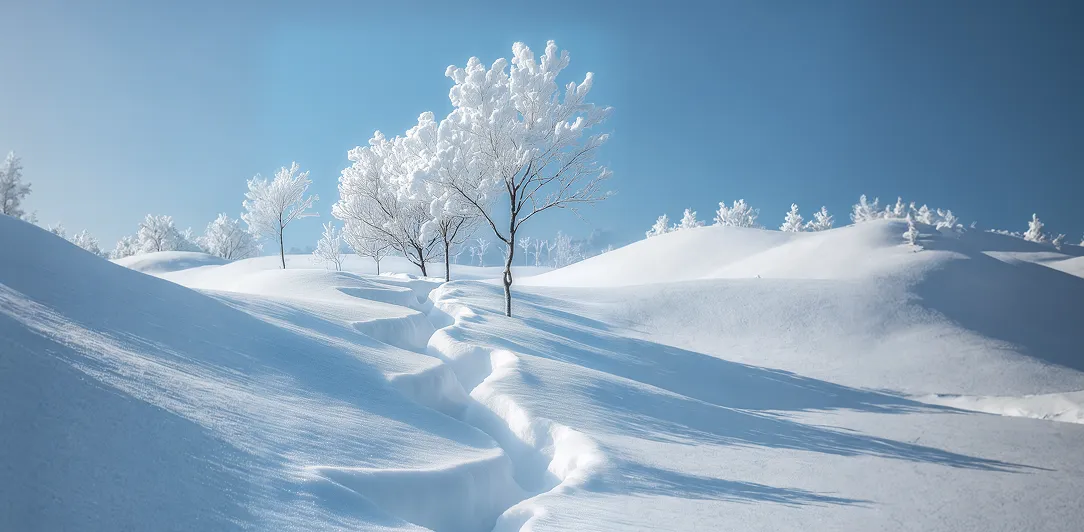


There comes a time when the wild no longer looks for us—when forests learn to grow without the memory of footsteps, when rivers forget the sound of bridges and carry only their own songs.
***
There's a quiet moment when nature stops calling our names. The forests no longer expect footsteps, and the rivers forget how bridges once hummed above them. In our absence, the wild learns to breathe again — not out of resentment, but resilience. The world, it turns out, was never waiting for our return.
The silence isn't empty — it's full of life finding its voice again. In the hush, the wind speaks louder, the rain sounds truer, and the stars seem closer. What we once called wilderness was never lost; it was only drowned out by our presence. Now, in the stillness we left behind, nature sings in a language we've almost forgotten — a reminder that peace has always existed, just beyond the reach of our noise.
Nature doesn't fight us in grand, cinematic ways. Its rebellion is quiet — overgrown paths, reclaimed buildings, moss on forgotten walls. It's the slow and graceful takeover of everything we once tried to control.
What feels like decay to us is renewal to the earth. Life moves forward, reshaping itself in our shadow.
For centuries, we believed the world revolved around our presence. But as the cities slept and skies cleared, nature reminded us that it thrives in stillness. We are not its masters or saviors; we are guests who stayed too long. The balance was never ours to hold — only to respect.
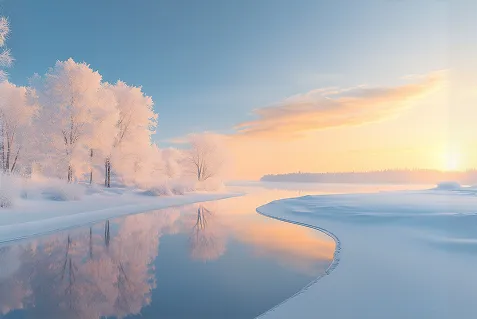
Silence is the sound of the world remembering itself
We built walls and borders, claimed mountains and oceans, and called them ours. But ownership was always an illusion — the earth cannot be possessed, only shared. Every piece of land we've named belongs to a rhythm older than any human map.
The wild doesn't miss us — it remembers how to be without us.
Marcelline
When the world slowed down — when planes stopped flying, and streets fell silent — something extraordinary happened. Skies turned blue again. Birds returned. Rivers cleared. It was as if nature had been holding its breath, waiting for a moment of quiet to heal itself.
Maybe our role was never to dominate, but to belong. To live not above nature, but within it. The more we let go of control, the more we realize we're part of something vast, intricate, and alive — a world that continues beautifully, with or without us.
The lesson isn't about guilt, but humility. To coexist means to listen — to walk softer, to consume less, to remember that beauty doesn't need our permission to exist. When we finally return, maybe it shouldn't be to reclaim, but to rejoin — not as conquerors, but as part of something vast and breathing.
When nature stops waiting for us, it's not an ending — it's an awakening. The forests will grow, the rivers will sing, and the world will continue its rhythm. The question that remains is whether we'll learn to walk in tune with it again.

Content Creator
Crafting engaging, authentic stories that inspire and connect with audiences.
Get in Touch

Lena M
November 9, 2025This piece feels like a deep breath after years of noise. Beautifully written — it captures both loss and hope in the same sentence.
Reply
Noah K
November 10, 2025I love how this reminds us that the earth doesn't need saving, it just needs space. Such a powerful perspective.
Reply
Oliver Grant
June 9, 2025Your section on "The Creative Benefit of Slowing Down" really spoke to me. As an artist, I often forget that silence is part of the process.
ReplyRelated posts